
PRISM-H
Platform for Research Integrated Surveillance and Management of Health
Overview
Forecasting Outbreaks Before They Happen
By the time a dengue outbreak appears in case counts, the window to contain it has often passed. PRISM-H was built to change that. It integrates epidemiological trends, weather patterns, and environmental conditions to generate sub-district level outbreak forecasts up to four weeks ahead, giving health authorities the lead time to act before the first case spike, not after.
Four Weeks of Lead Time: Four weeks is enough time to mobilise vector control teams, run community awareness campaigns, pre-position healthcare supplies, and prioritise high-risk localities. That is the difference between a response and a plan.
Operational, Not a Pilot: PRISM-H is a live, deployed system in Karnataka, used by health authorities and policymakers to prioritise interventions and allocate resources in real time.
Built to Adapt: The platform is pathogen-agnostic and geography-agnostic. It was designed to extend across diseases and states as implementation partnerships develop.
Our Scale
Numbers at Glance
70 M+
Lives Touched
1.2M+
Houses Surveyed
50k+
Breeding Spots Identified
4 Weeks
Forecast Lead Time
How It Works

7-Day Forecast Window: Localised heat-stress predictions delivered up to seven days ahead, giving administrators and health officials meaningful lead time before conditions peak.
Sub-District Resolution: Granular enough to drive targeted action at the community level, moving beyond broad regional averages to risk intelligence that is specific and actionable.
Impact-Based Methodology: Integrates biometeorological heat stress indicators, epidemiological evidence, and physiological thresholds to translate temperature into health risk for specific populations.
Built With Implementation Partners Developed and deployed in collaboration with KSNDMC, KSDMA, the Department of Health (NPCCHH), CAOS IISc, IMD, and the Disaster Management Authority.
Our Partners


Our Programs

Heatwaves + health risk prediction

Environmental surveillance
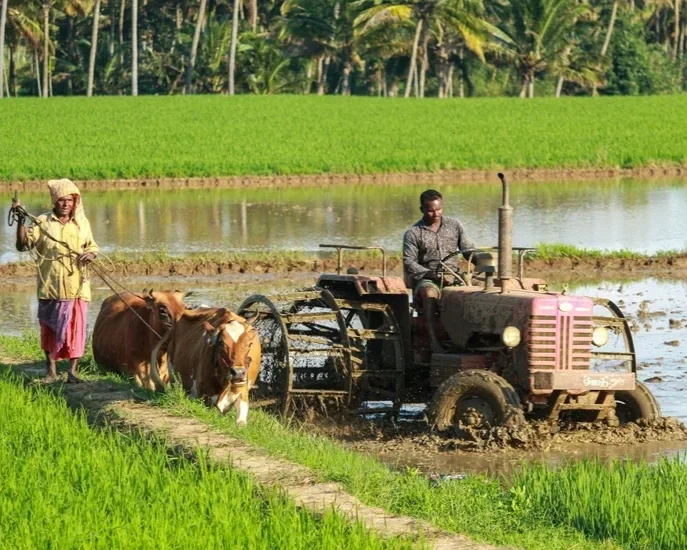
Livestock disease vaccination strategy
Dengue outbreak prediction
The Bigger Picture
Health and Climate Are Not Separate Problems.
Dengue is a climate-sensitive disease. Heat stress exacerbates chronic conditions. Livestock diseases affect food security and rural livelihoods. These health and climate risks collectively add to the economic burden on individuals and the public health sector in India.
ARTPARK's work in this space is designed to treat them as a single, interconnected system, and build strategies and solutions accordingly.
-
Rising temperatures expand dengue vector habitats. Erratic rainfall patterns create new breeding conditions. PRISM-H models both.
-
Heatwaves suppress immune function, worsen chronic illness outcomes, and increase healthcare demand precisely when health systems are under maximum strain.
-
Most emerging human pathogens originate in animals. Dharini's environmental surveillance provides early warning that traditional human health systems miss entirely.
Want to Co-Innovate on Health or Climate AI?
ARTPARK works with governments, research institutions, and partners building surveillance and predictive systems for India's climate and public health challenges.