
“Make in India should not be just a branding exercise; the product must stand on its own merit,” says Dr. Kaushik Sampath, co-founder of Twara Robotics. “Customers should choose Twara’s robots not just because they are made in India, but because they deliver satisfactory performance at a competitive price.”
Twara builds robotic arms, actuators and grippers in Bengaluru.
Start with the joint.
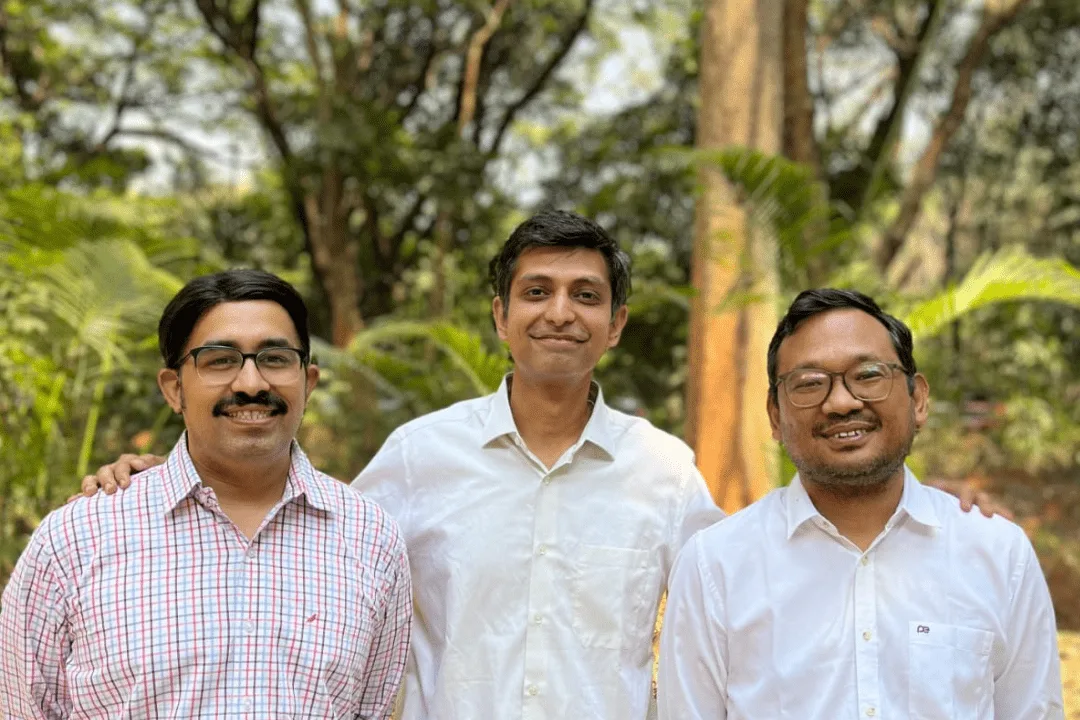
The three co-founders came to ARTPARK from different careers. ARTPARK’s vision under Prof. Amrutur was to build humanoid robots, and the team realised that the first step was an industrial robot that could serve the manufacturing sector, which required mastering actuators first.
Actuators account for nearly 70 percent of a robot’s cost and complexity. India had little domestic expertise in high-precision actuators and control systems, and Indian manufacturing had been slow to adopt robotics. India imports robots worth thousands of crores each year, according to the Department of Commerce.
A proposal that became a company.
They took the case for actuators to the Ministry of Heavy Industries (MHI), under the mentorship of Dr. Anurag Srivastava, erstwhile COO of ARTPARK and the principal investigator (PI) of the MHI-CAMRAS industry accelerator programme. The proposal was accepted under CAMRAS, the industry accelerator the ministry set up at ARTPARK under the second phase of its scheme for the Indian capital goods sector. That support created Twara Robotics.
The company was incubated at ARTPARK, with support also from the Department of Science and Technology and the Government of Karnataka. ARTPARK lists Twara among the six CAMRAS pre-venture teams that became startups. Robotic actuators and soft robotics were among the programme’s projects.
Arms for the Indian factory floor.
The company has in mind the MSMEs that are Tier 1 and Tier 2 suppliers for large OEMs and that struggle to automate because of cost, complexity and a shortage of skilled labour. The robot applications it develops include machine tending and welding. At Automation Expo 2026, it exhibited a robotic welding solution with its TR5 robot, compatible with manual welding machines.
A robotic arm with a 5 kg payload and 750 mm reach.
A robotic arm with a 12 kg payload and 1000 mm reach.
A strain wave actuator with 40 Nm rated torque.
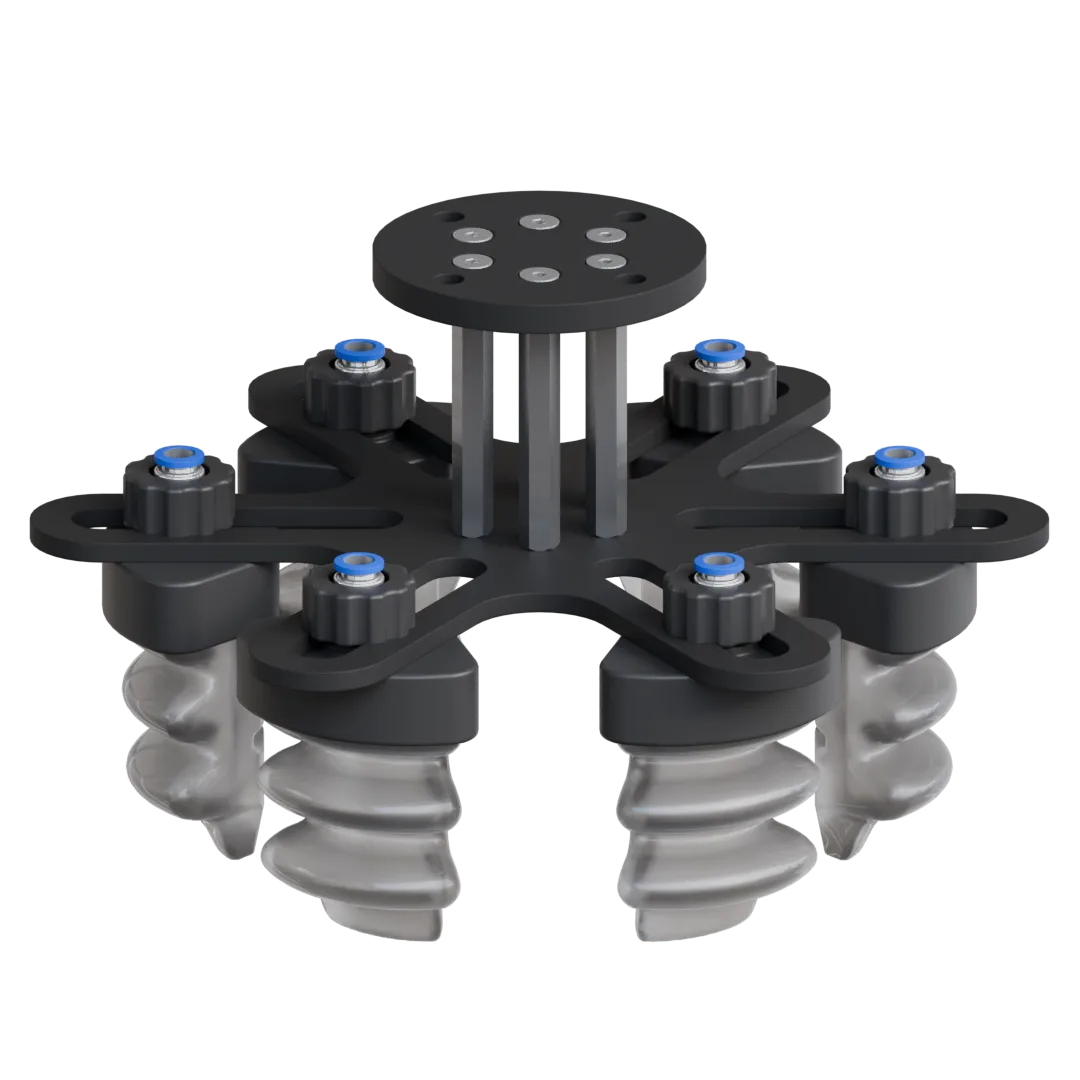
A silicone soft gripper for fragile parts, rated by the company for a 1.5 kg payload and tested to more than ten million cycles.
A kit for building autonomous mobile robots.
The hardest problems, the founders say, have been precision manufacturing and persuading established manufacturers to trust a robot made at home. In March 2025 the team had more than 11 people.
- The Machine Maker, Twara Robotics: advancing Indian manufacturing (21 March 2025). themachinemaker.com
- Automation Expo, Twara Robotics exhibitor page (page no longer online)
- Inc42, Twara Robotics company profile. inc42.com
- ARTPARK, CAMRAS programme page. artpark.in
- Twara Robotics. twararobotics.in
- Founder review and corrections, November 2026