Today, confirming a CSF leak depends on centralised lab testing. Natheon wants to give clinicians an answer where the patient is, while decisions are being made.
Its innovation lead, Dr. Katyayanee Sharma, is a dental surgeon and a PhD candidate in Medical Technologies at IIT Jodhpur and AIIMS Jodhpur.
From the central lab to the bedside.
Shiras is a nanosensing platform, assisted by machine learning, for the rapid detection of cerebrospinal fluid in clinical samples. The team says it can detect trace amounts of CSF and bring the turnaround time down to under 30 minutes.
That would let CSF leak diagnosis support clinical decisions immediately, in emergency and intraoperative settings, instead of waiting on a central laboratory.
A sample is taken from the patient.
It is placed on a card with the sensor embedded in it.
A customised reader takes the measurement.
Analysis software gives the result.
Made and tested in the lab.
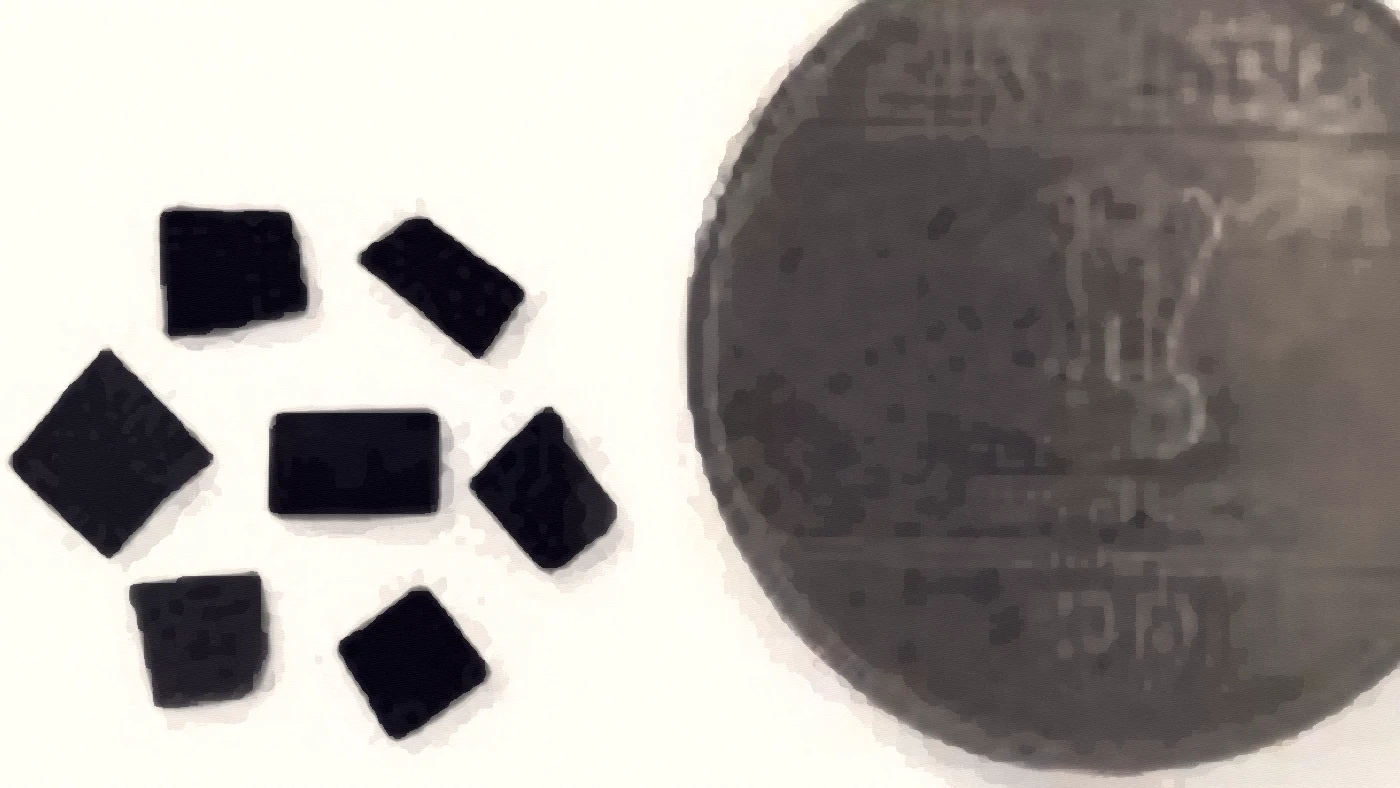
The team has fabricated the sensors, each small enough to sit beside a coin, and is validating them in the lab on a laser-based set-up with an interfaced computer.
The team.
Dr. Katyayanee Sharma leads the work. Two faculty members advise it: Dr. Amit Goyal, Professor and Head of Otorhinolaryngology at AIIMS Jodhpur and a skull-base surgeon, and Dr. Ajay Agarwal, Professor of Electronics Engineering at IIT Jodhpur, whose work in MEMS, nanotechnology and biosensors spans more than three decades.